
All Speakers

Abdullah Aldahami
GM of Internal Audit Sirar by stc

Ali Alhazzani
Corporate Governance GM stc

Alissa Kole
Managing Director Managing Director GOVERN CENTER

Amal Al Khaburi
Founder Board Member & Current Board Member

Basheer G. Abhary
Head of Risk Management Al-Watania Poultry

Dr. Andrew Richard Timming
Professor of Management Alfaisal University
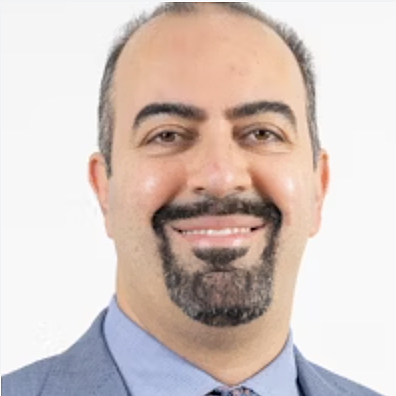
Dr. Arman Eshraghi
Chair of Finance and Investment Cardiff University
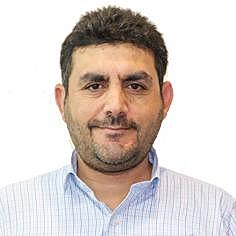
Dr. Hayat Khan
Associate Professor, Department of Finance Alfaisal University
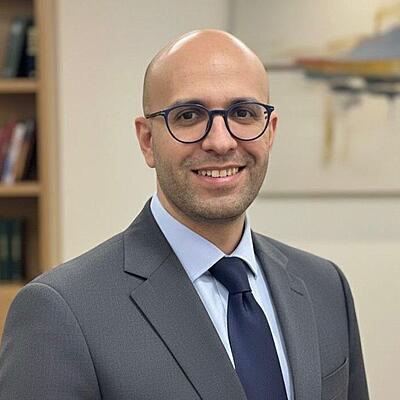
Dr. Izidin El Kalak
Associate Professor of Finance Alfaisal University

Dr. Jason Potts
Professor of Economics Alfaisal University
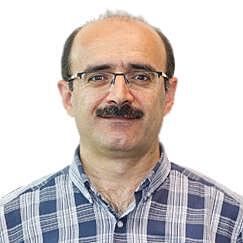
Prof. Rajaa Fakhoury
Professor of Economics and Corporate Governance Director Alfaisal

Dr. Rami Bustami
Associate Professor of Operations and Healthcare Management Alfaisal University

Dr. Roger Barker
Chief Research and Thought Leadership Officer Center for Governance
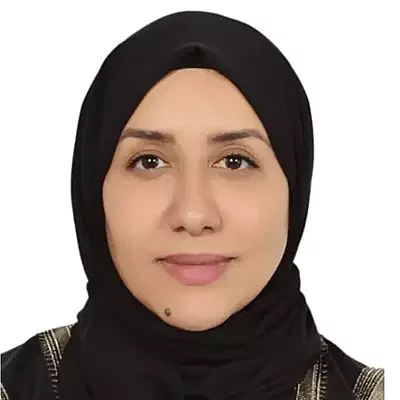
Dr. ZAHRA ALNASSER
Governance Expert

Gharam Binkulaib
Governance, Compliance & Legal Director Gasco

John Nallathambi
CEO Active Risk Management Solutions and Services FZ-LLC

Khalid Alhinti
CEO Center for Governance

Mehiar Moukbel
CEO URR OFF ROAD

Mohamad Fanous
Entrepreneur in Residence, Instructor AUB

Mohamed Alrifai
Head of Finance Kuwait Institute of Banking Studies | KIBS
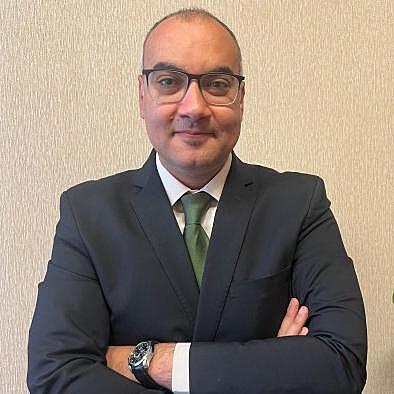
Mohamed Reyad
Deputy CEO Bawabet AlHekmah

Noora Aljalahma
Assistant Professor of Accounting University of Bahrain

Nur Hassanain
Corporate Governance Manager Alfaisal University

Prof. Mehmet Asutay
Director Durham Centre for Islamic Economics and Finance.

Reema Aref
Partner EY Law

Wafa Salman
Senior Lecturer Bahrain Polytechnic
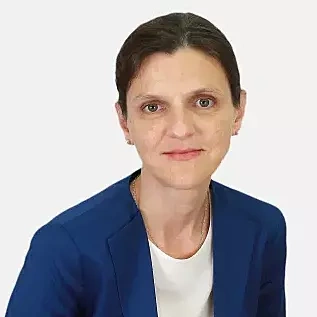
Yolanta Strikitsa
Managing Director Strikitsa Consulting Ltd.
Abdullah Aldahami
Prof. Ahmed Yaqinuddin
Sessions by Speaker
People at the Core: Governance for Human Capital, Diversity & Well-Being (Unlocking value through inclusive leadership, workplace ethics, and employee engagement) Day - 1 : Wed, Dec 17, 2025 09:30 AM - 10:30 AM (+03)
GM of Internal Audit Sirar by stc
Abdul Khalid Siraj, Ph.D.

Abdul Khalid Siraj, Ph.D.
Focus of research
His research interests include translational research, molecular characterization of cancers and therapeutic targets. He recently focused on high throughput sequencing techniques for analyzing mutations in different cancers such as thyroid, colorectal, and breast. Targeting these identified molecular and genetic alterations using either molecular inhibitors, small interference RNA (siRNA) or antibodies are also performed to identify genes that can be therapeutically targeted for the improvement of cancer therapy.
Five recent publications
- Radioactive iodine refractoriness in Middle Eastern differentiated thyroid cancer: clinical outcome and risk factor analysis. Frontiers in Endocrinology. 2024 May 15, DOI:10.3389/fendo.2024.1326976
- Predicting factors and clinical outcome of biochemical incomplete response in middle eastern differentiated thyroid carcinoma. Endocrine. 2024 May 2. doi: 10.1007/s12020-024-03844-x. PMID: 38696058
- Recurrent Middle Eastern Differentiated Thyroid Carcinoma Has Worse Outcomes Than Persistent Disease. J Clin Med. 2024 Mar 25;13(7):1877. doi: 10.3390/jcm13071877. PMID: 38610642
- PLK1 and PARP positively correlate in Middle Eastern breast cancer and their combined inhibition overcomes PARP inhibitor resistance in triple negative breast cancer. Front Oncol. 2024 Jan 3;13:1286585. doi: 10.3389/fonc.2023.1286585. eCollection 2023.PMID: 38234395
- PLK1 and PARP positively correlate in Middle Eastern breast cancer and their combined inhibition overcomes PARP inhibitor resistance in triple negative breast cancer. Front Oncol. 2024 Jan 3;13:1286585. doi: 10.3389/fonc.2023.1286585. eCollection 2023.PMID: 38234395.
- PLK1 and FoxM1 positively correlate in papillary thyroid carcinoma and their combined inhibition results in synergistic anti-tumor effects. Mol Oncol. 2024 Feb 15. doi: 10.1002/1878-0261.13610. Online ahead of print.PMID: 38361222
Abdelilah Aboussekhra, Ph.D.

Abdelilah Aboussekhra, Ph.D.
Focus of research
The role of cancer-associated fibroblasts in breast carcinogenesis and the role of secreted cytokines in this crosstalk between cancer cells and their protective fibroblasts. We are aslo interested in developing drugs to target both cancer cells and also their associated fibroblasts. These drugs are also tested against other types of cancer such as ovarian, colerectal, and bone.
Five recent publications
- Syed S Islam, Falah H Al-Mohanna , Iman M Yousef , Ismail A Al-Badawi , Abdelilah Aboussekhra. Ovarian tumor cell-derived JAGGED2 promotes omental metastasis through stimulating the Notch signaling pathway in the mesothelial cells. Cell Death Dis. 2024 Apr 4;15(4):247. doi: 10.1038/s41419-024-06512-0.
- Islam SS, Al-Tweigeri T, Al-Harbi L, Ujjahan S, Al-Mozaini M, TulbahA, Aboussekhra A. Long noncoding RNA DLEU2 and ROR1 pathway induces epithelial-to-mesenchymal transition and cancer stem cells in breast cancer. Cell Death Discov. 2024 Jan 31;10(1):61. doi: 10.1038/s41420-024-01829-3
- Wafaa A Aljagthmi, Manal A Alasmari, Maha H Daghestani, Layla A Al-Kharashi, Falah H Al-Mohanna, Abdelilah Aboussekhra. Decorin (DCN) Downregulation Activates Breast Stromal Fibroblasts and Promotes Their Pro-Carcinogenic Effects through the IL-6/STAT3/AUF1 Signaling. Cells, 2024 Apr 14;13(8):680. doi: 10.3390/cells13080680
- Abdelilah Aboussekhra, Noura N. Alraouji, Falah Al-Mohanna, Huda Al-Khalaf. Ionizing radiation normalizes the features of active breast cancer stromal fibroblasts and suppresses their paracrine pro-carcinogenic effects. Transl Oncol. 2023 Nov:37:101780. doi: 10.1016/j.tranon.2023.101780
- Aboussekhra A, Islam SS, Alraouji NN. Activated breast stromal fibroblasts exhibit myoepithelial and mammary stem cells features. Transl Oncol. 2023. Sep:35:101721. doi: 10.1016/j.tranon.2023.101721.
Islam Mohamed Saadeldin Mohamed

Islam Mohamed Saadeldin Mohamed
Scopus Name: Islam M. SaadeldinEmail: imohamed@kfshrc.edu.sa
Focus of research
Dr. Saadeldin's research extends across various facets of reproductive biotechnology, including somatic cell nuclear transfer (SCNT), transgenesis, endometrial organoids, adult, and embryonic stem cells. Dr. Saadeldin's scholarly pursuits delve into the intricate roles played by extracellular vesicles or exosomes in embryo communication and modeling the dynamic interactions between embryonic and maternal compartments.
One of his notable research directions involves studying comparative cellular defense mechanisms against extreme hyperthermia, exploring correlations with cellular anastasis and resilience. Currently, his research trajectory is centered around the development of CRISPR/Cas9-engineered extracellular vesicles, with the overarching goal of enhancing embryo implantation and improving pregnancy outcomes. Additionally, he is leading a project regarding the oncofertility and how to preserve the female fertility from the chemotherapy through the use of stem cells-derived exosomes.
Five recent publications
- Abady M, Jeong J, Kwon H, Assiri A, Cho J, Saadeldin IM.* (2024) The reprotoxic adverse side effects of neurogenic and neuroprotective drugs: current use of human organoid modeling as a potential alternative to preclinical models. Front. Pharmacol. 15 https://doi.org/10.3389/fphar.2024.1412188.
- . Saadeldin IM, Ehab S, Noreldin AE, Swelum AA, Bang S, Kim H, Yoon K, Lee S, Cho J. (2024) The current strategies using 3D organoids to establish in-vitro maternal-embryonic interaction. Journal of Veterinary Science 25(3):e40 https://doi.org/10.4142/jvs.24004.
- Saadeldin, I.M., Han, A., Bang, S., Kang, H., Kim, H., Abady, M. M., Jeong, J., Kwon, H., Lee, S., & Cho, J. (2024). Generation of porcine endometrial organoids and their use as a model for enhancing embryonic attachment and elongation. Reproduction 167(2): e230429. https://doi.org/10.1530/REP-23-0429.
- Saadeldin IM*, Ehab S, Cho J. (2023) Significance of multilamellar and multicompartmental vesicles in biological fluids: understanding the significance of proportional variations and disease correlation. Biomarker Research, 11: 77. https://doi.org/10.1186/s40364-023-00518-0
- Saadeldin IM, Bang S, Maigoro A, Kim S, Sung L, Lee S, Cho J. (2023) Proteomic analysis and reprogramming potential of the porcine intra-ooplasmic nanovesicles. Cellular Reprogramming, 25(5): 238–250. https://doi.org/10.1089/cell.2023.0050.
Fatimah Saeed Alhamlan, PhD

Fatimah Saeed Alhamlan, PhD
Focus of research
Currently, Dr. Alhamlan’s lab is spearheading the Microbial Genomic and Epidemiological Surveillance System at KFSH&RC. Research focuses mainly on emerging and re-emerging pathogens, sexually transmitted infections (STIs), HPV-related cancers, and microbiomes. Additionally, we are actively engaged in developing in-house diagnostic tests, including localized encephalitis and CMV drug-resistance tests, to ensure prompt and accurate diagnoses for ultimate patient care.
Five recent publications
- Characteristics and Clinical Manifestations of Patients, Including Organ Transplant Patients, during the Surge of JN. 1: Insights from Saudi Arabia. Obeid D, Al-Qahtani A, Almaghrabi R, Alahideb B, Alharbi L., Al-Abdulkareem M, Almadi T., Alsanae M., Altamimi S, Althawadi S, Alhamlan F. J Infect Public Health. (2024). doi.org/10.1016/j.jiph.2024.05.040
- Low uptake of Pap test as a cervical cancer screen among Saudi women: Findings from a national survey. Alfareh M, Obeid D, Alhoshan H, Basri R, Alhamlan F. Int J Gynaecol Obstet. (2024). PMID: 38641900
- Genomic Surveillance and Mutation Analysis of SARS-CoV-2 Variants among Patients in Saudi Arabia. Alsuwairi F, Alsaleh M, Obeid D, Al-Qahtani A, Almaghrabi R, Alahideb B, AlAbdulkareem M, Alsanea M, Alharbi L, Althawadi S, Altamimi S, Alshukairi A, Alhamlan F. Microorganisms (2024). PMID: 38543518.
- Analysis of SARS-CoV-2 genomic surveillance data during the Delta and Omicron waves at a Saudi tertiary referral hospital. Obeid D, Al-Qahtani A, Almaghrabi R, Alghamdi S, Alsanea M, Alahideb B, Almutairi S, Alsuwairi F, Al-Abdulkareem M, Asiri M, Alshukairi A, Alkahtany J, Altamimi S, Mutabagani M, Althawadi S, Alanzi F, Alhamlan F. J Infect Public Health. (2023). PMID: 36543031
- Genetic Variability in the E6, E7, and L1 Genes of Human Papillomavirus Types 16 and 18 among Women. Alsanea, M., Alsaleh, A., Obeid, D., Alhadeq, F., Alahideb, B., Alhamlan, F. Viruses (2023). 15(1), 109. ORCID ID: 0000-0003-1765-4310
Monther Al-Alwan, MSc, PhD

Monther Al-Alwan, MSc, PhD
Focus of research
Breast cancer is the most common cancer in women worldwide. Despite progress in drug development against specific target in breast cancer, tumor related mortality remain high due disease relapse. Fascin is an actin-bundling protein that get expressed in many type of cancers including breast. Impotently, our lab demonstrated that fascin expression levels is linked to many poor prognostic markers including drug resistance and metastasis, major contributors in disease relapse and shorter survival. Breast cancer are classified into 4 major molecular subtypes. Luminal A), luminal B, HER2-enriched and triple negative breast cancer (TNBC). Subtyping of breast cancer is required for defining the appropriate treatment and distinguishing the good responders from high risk subtype. Fascin is expressed in 15-25% of luminal A and B, which account for around 70% of all cases and are the least aggressive of the 4 breast cancer subtypes. HER2-encirhced (40-50% are fascin positive) accounts for 20-30% of diagnosed breast cancers and more aggressive than luminal, but is less aggressive than TNBC (85% are fascin positive) which makes up between 15-20% of the cases. Luminal A and B breast cancer have better prognosis due to the high sensitivity to anti-estrogen hormonal therapy, while HER2-enirched breast cancer can be treated with anti-HER2 antibodies, adjuvant and/or chemotherapy. However, TNBC are the most aggressive and had the least therapeutic options. However, disease relapse remain high among breast cancer patients, thus necessitating the need for an alternative therapy. Since we established a direct link between fascin expression and poor prognosis, our lab is focused on manipulating fascin expression in different breast cancer cell line model. This help us to combines in vitro assay, preclinical studies in animal and patient sample as a first step toward understanding fascin’s function in the progression of breast cancer. Ongoing clinical trials using small molecule targeting fascin in solo or in combination with other therapies showed promising results for multiple type of malignancies. Deep understating of fascin’s function in breast cancer cells may help in designing the best combinational therapy especially for drug resistant and metastatic breast cancer.
Five recent publications
- Fascin is essential for mammary gland lactogenesis. Al-Khaldi S, Almohanna F, Barnawi R, Fallatah M, Islam SS, Ghebeh H, Al-Alwan M.Dev Biol. 2022 Dec;492:25-36. doi: 10.1016/j.ydbio.2022.09.003. Epub 2022 Sep 21.PMID: 36152869 Free article.
- Comprehensive Transcriptome and Pathway Analyses Revealed Central Role for Fascin in Promoting Triple-Negative Breast Cancer Progression. Barnawi R, Al-Khaldi S, Majid S, Qattan A, Bakheet T, Fallatah M, Ghebeh H, Alajez NM, Al-Alwan M.Pharmaceuticals (Basel). 2021 Nov 26;14(12):1228. doi: 10.3390/ph14121228.PMID: 34959629 Free PMC article.
- Fascin Activates β-Catenin Signaling and Promotes Breast Cancer Stem Cell Function Mainly Through Focal Adhesion Kinase (FAK): Relation With Disease Progression. Barnawi R, Al-Khaldi S, Bakheet T, Fallatah M, Alaiya A, Ghebeh H, Al-Alwan M.Front Oncol. 2020 Apr 21;10:440. doi: 10.3389/fonc.2020.00440. eCollection 2020.PMID: 32373510 Free PMC article.
- β1 Integrin is essential for fascin-mediated breast cancer stem cell function and disease progression. Barnawi R, Al-Khaldi S, Colak D, Tulbah A, Al-Tweigeri T, Fallatah M, Monies D, Ghebeh H, Al-Alwan M.Int J Cancer. 2019 Aug 1;145(3):830-841. doi: 10.1002/ijc.32183. Epub 2019 Feb 18.PMID: 30719702 Free PMC article.
- Fascin Is Critical for the Maintenance of Breast Cancer Stem Cell Pool Predominantly via the Activation of the Notch Self-Renewal Pathway. Barnawi R, Al-Khaldi S, Majed Sleiman G, Sarkar A, Al-Dhfyan A, Al-Mohanna F, Ghebeh H, Al-Alwan M.Stem Cells. 2016 Dec;34(12):2799-2813. doi: 10.1002/stem.2473. Epub 2016 Aug 21.PMID: 27502039
Edreese Alsharaeh PhD

Edreese Alsharaeh PhD
Focus of research
Nanostructure Materials for Biomedical application including theragnostic platforms, drug delivery systems, biomaterial/device coatings, tissue engineering scaffolds, performance-enhanced therapeutic alternatives.
Five recent publications
- Navigating the hydrogen prospect: A comprehensive review of sustainable source-based production technologies, transport solutions, advanced storage mechanisms, and CCUS integration. S Tasleem, CS Bongu, MR Krishnan, EH Alsharaeh. Journal of Energy Chemistry 2024
- Coated nanosand as relative permeability modifier. A Almohsin, E Alsharaeh, MR Krishnan, M Alghazali. US Patent 11,993,750, 2024.
- Improving Water Retention in Sandy Soils with High-Performance Superabsorbents Hydrogel Polymer. H Omar, E Alsharaeh. ACS Omega 2024
- Mechanical strength investigation of chemically reinforced sandy soil using organic copolymers for geotechnical engineering applications. MR Krishnan, EH Alsharaeh. Journal of Polymer Science and Engineering 7 (1), 5170, 2024.
- Facile fabrication of thermo-mechanically reinforced polystyrene-graphene nanocomposite aerogel for produced water treatment. MR Krishnan, EH Alsharaeh. Journal of Porous Materials, 1-11 1, 2024.
Prof. Namik Kaya

Prof. Namik Kaya
Prof. Namik Kaya (earned his PhD in 1997, The Ohio State University, Columbus, OH, USA). Currently, he is a senior scientist and head of Neurogenetics Unit in Translational Genomics department at the Center for Genomic Medicine, KFSHRC. He received his professorship in human genetics/genomics in 2018.
Focus of research
Dr. Namik Kaya has received his PhD from the Ohio State University in 1997. He did his postdoctoral studies at the same university. He joined King Faisal Specialist Hospital and Research Centre (KFSHRC) in 2004. He then established Neurogenetics Unit within the Department of Genetics. Dr. Kaya’s research interests include genetics of neurological disorders, particularly ataxias, leukodystrophies, and channelopathies, genetics of neurodevelopmental disorders, mitochondrial disorders, and integrated omics for precision medicine. He has a strong track record of scientific publication and securing grant funds. Currently he is principal investigator of several critical projects (including an international clinical trial) several of which are funded by different funding agencies. He has over 100 scientific publications in various peer-reviewed international journals. His lab discovered several disease-causing novel genes and novel syndromes such as KAYA-BARAKAT-MASSON Syndrome, OMIM# 619125; and BARAKAT-VAN HAM-KAYA Syndrome, OMIM# 619389. Dr. Kaya holds Professorship in Human Genetics and Genomics and was the recipient of KFSHRC’s prestigious “The Best Publication Award” for six consecutive years. He has been widely recognized for his training and educational activities and received numerous recognition awards for his efforts. Dr. Kaya has been serving on the editorial board (Genetics Section) of PLoS ONE, and reviews grants for funding agencies such as King Abdulaziz City of Science and Technology and King Salman Center for Disability Research. He is member of American Society of Human Genetics (ASHG), European Society of Human Genetics, and Society for Neuroscience. Currently, he is leading Neurogenetics Unit in Translational Genomics Department at the Center for Genomic Medicine, KFSHRC.
Five recent publications
- Lace B, Faqeih E, Kaya N, Krumina Z, Mayr JA, Micule I, Wright NT, Achleitner MT, AlQudairy H, Pajusalu, Stavusis J, Zayakin P, Inashkina I. The phenotypic spectrum of PTCD3 deficiency. JIMD Reports. 2024;1–8. Accepted: 18 April 2024, DOI: 10.1002/jmd2.12424
- Deng R, Medico-Salsench E, Nikoncuk A, Ramakrishnan R, Lanko K, Kühn NA, van der Linde HC, Lor-Zade S, Albuainain F, Shi Y, Yousefi S, Capo I, van den Herik EM, van Slegtenhorst M, van Minkelen R, Geeven G, Mulder MT, Ruijter GJG, Lütjohann D, Jacobs EH, Houlden H, Pagnamenta AT, Metcalfe K, Jackson A, Banka S, De Simone L, Schwaede A, Kuntz N, Palculict TB, Abbas S, Umair M, AlMuhaizea M, Colak D, AlQudairy H, Alsagob M, Pereira C, Trunzo R, Karageorgou V, Bertoli-Avella AM, Bauer P, Bouman A, Hoefsloot LH, van Ham TJ, Issa M, Zaki MS, Gleeson JG, Willemsen R, Kaya N, Arold ST, Maroofian R, Sanderson LE, Barakat TS. AMFR dysfunction causes autosomal recessive spastic paraplegia in human that is amenable to statin treatment in a preclinical model. Acta Neuropathol. 2023 Apr 29. doi: 10.1007/s00401-023-02579-9. Online ahead of print.PMID: 37119330.
- Altassan R, AlQudairy H, AlJebreen S, AlMuhaizea M, Al-Hindi H, Ghebeh H, Almzroua A, Colak D, AlDosary M, Kaya N*. Expanding the phenotypic and genotypic spectrum of GGPS1 related congenital muscular dystrophy. Am J Med Genet A. 2023 Dec 21. doi: 10.1002/ajmg.a.63498. Epub 2023 Dec 21. PMID: 38129970.
- AlShail E, Alsagob M, Alahmari AN, Al-Hindi H, Khalil H, Dababo AAM, Al Masseri Z, AlSalamah R, Almohseny E, Alduhaish A, Colak D*, Kaya N*. A molecular study of pediatric pilomyxoid and pilocytic astrocytomas: Genome-wide copy number screening, retrospective analysis of clinicopathological features and long-term clinical outcome (Front Oncol. 2023 Feb 13;13:1034292. DOI:10.3389/fonc.2023.1034292)
- AlDhalaan H, AlQudairy H, AlRuways S, AlMutairi N, AlNakiyah M, AlGhofaili R, AlBakheet A, AlSayed MD, AlZaidan H, Alrasheed MM, Colak D, Kaya N*. Clinical, radiological, and genetic characterization of SLC13A5 variants in Saudi families: Genotype phenotype correlation and brief review of the literature (Frontiers in Pediatrics, 2023, Feb 27;10:1051534. doi: 10.3389/fped.2022.1051534).
George Kulik, D.V.M., Ph.D.

George Kulik, D.V.M., Ph.D.
Associate professor of Cancer Biology
Focus of research
My laboratory investigates signaling pathways that control apoptosis in cancer cells. We identified PI3K/Akt as dominant anti-apoptotic pathway activated by IGF-1 in fibroblasts and by EGF in epithelial cells. Subsequently, we have described a network of signaling pathways that regulate survival of prostate cancer cells and identified BAD (a BH3-only member of Bcl2 family) as a downstream convergence node of multiple anti-apoptotic signaling pathways ( PI3K/Akt, EGFR and GPCRs). We were first to show that stress hormone epinephrine protects prostate cancer cells from apoptosis via PKA/BAD signaling and demonstrated that Epi/ ADRB2/PKA/BAD accelerates progression of prostate tumors in mice.
I have directed multi-investigator research project that demonstrated the role of ADRB2 signaling in prostate cancer and collaborative projects on the development of prostate-selective PI3K inhibitors and prostate-targeted toxins.
Currently my interests shifted to the analysis of signaling pathways that operate in normal prostate and large intestine and in malignancies of these tissues.
Five recent publications
- Alaskar A, Abdulraqeb Ali A, Hassan S, Shinwari Z, Alaiya A, von Holzen U, Miller L, Kulik G. Inhibition of signaling downstream of beta-2 adrenoceptor by propranolol in prostate cancer cells. Prostate. 2023 Feb;83(3):237-245. doi: 10.1002/pros.24455. Epub 2022 Nov 14. PMID: 36373761; PMCID: PMC10100053.
- Ali A, Kulik G. Signaling Pathways That Control Apoptosis in Prostate Cancer. Cancers (Basel). 2021 Feb 24;13(5):937. doi: 10.3390/cancers13050937. PMID: 33668112; PMCID: PMC7956765.
- Hassan S, Pullikuth A, Nelson KC, Flores A, Karpova Y, Baiz D, Zhu S, Sui G, Huang Y, Choi YA, D'Agostino R Jr, Hemal A, von Holzen U, Debinski W, Kulik G. β2-adrenoreceptor Signaling Increases Therapy Resistance in Prostate Cancer by Upregulating MCL1. Mol Cancer Res. 2020 Dec;18(12):1839-1848. doi: 10.1158/1541-7786.MCR-19-1037. Epub 2020 Sep 14. PMID: 32928910; PMCID: PMC8080265.
- Kulik G. ADRB2-Targeting Therapies for Prostate Cancer. Cancers (Basel). 2019 Mar 13;11(3):358. doi: 10.3390/cancers11030358. PMID: 30871232; PMCID: PMC6468358.
- Hassan S, Karpova Y, Baiz D, Yancey D, Pullikuth A, Flores A, Register T, Cline JM, D'Agostino R Jr, Danial N, Datta SR, Kulik G. Behavioral stress accelerates prostate cancer development in mice. J Clin Invest. 2013 Feb;123(2):874-86. doi: 10.1172/JCI63324. Epub 2013 Jan 25. PMID: 23348742; PMCID: PMC3561807.
Peter Cahusac, BSc Hons, PhD, MSc, CStat

Peter Cahusac, BSc Hons, PhD, MSc, CStat
Focus of research
Evidence-based medicine and evidence-based statistics. The practical application of evidential statistics (likelihood approach) to the analysis of healthcare data. The in vitro neuropharmacological study of Merkel cell mechanoreceptors.
Five recent publications
- Aljadaan, M., Alhakbani, M. S., Cahusac, P. M. B., and Monaie, S. H. (2024) Outcomes of Surgical Interventions for Patellofemoral Instability in the Presence of Trochlear Dysplasia: A Systematic Review and Meta-analysis, The American Journal of Sports Medicine, In Press
- Cahusac, P.M.B. (2024) Likelihood Ratio Test and the Evidential Approach for 2 × 2 Tables, Entropy, 26(5):375 (15) https://doi.org/10.3390/e26050375
- Abdulrazaq Al-Jazairi, Nahlah Bahammam, Dhai Aljuaid, Lama Almutairi, Shroog Alshahrani, Nourah Albuhairan, Peter Cahusac, Ghazwa Korayem (2023) Cardiovascular Adverse Events of Antineoplastic Monoclonal Antibodies among Cancer Patients: Real-world Evidence from a Tertiary Healthcare System, Cardio-Oncology, 9:35:1-11 https://doi.org/10.1186/s40959-023-00184-z
- 4. Cahusac, P. (2023) Log Likelihood Ratios For Common Statistical Tests Using The likelihoodR Package, The R Journal, 14(3):203-212 https://doi.org/10.32614/RJ-2022-051
- 5. Cahusac, P.M.B. & Veermalla, A. (2022) Effects of camphor and related compounds on slowly adapting mechanoreceptors in the rat sinus hair follicle, IBRO Neuroscience Reports, 13:114-119 https://doi.org/10.1016/j.ibneur.2022.07.002
Rajaa M. Adnan Fakhoury

Rajaa M. Adnan Fakhoury
Professor in Medical Biochemistry
Focus of research
My research focuses on two key areas within the fields of molecular medicine and pharmacogenomics:
- Understanding the Molecular Basis of Chronic Diseases:
- My research aims to elucidate the molecular mechanisms underlying chronic diseases such as diabetes, cancer, hypercholesterolemia, and chronic obstructive pulmonary disease (COPD).
- This knowledge is being leveraged to develop new diagnostic tools and targeted treatments for these complex, multifactorial diseases.
- Identifying Genetic Determinants of Drug Response:
- I am working to identify genetic variants that influence an individual's metabolism, the efficacy, and the potential for side effects of various medications.
- This pharmacogenomic research is intended to enable more personalized and effective drug therapies, improving patient outcomes and safety.
Five recent publications
- Batha L, Aziz MA, Zhra M, Holail J, Al-Qahtani WS, Fakhoury R, Aljada A. Differential Gene Expression Signatures and Cellular Signaling Pathways induced by Lamin A/C Transcript Variants in MCF7 Cell Line. Front Biosci (Landmark Ed). 2023 Jun 12;28(6):113.
- Hana M A Fakhoury , Said El Shamieh , Amru Rifai , Hani Tamim , Rajaa Fakhoury . Vitamin D related gene polymorphisms and cholesterol levels in a Mediterranean population. J Cardiovasc Dev Dis. 2022 Mar 27;9(4):102.
- Maya idriss , Maria Younes, Sonia Abou Najem, Mohammad Hassan Hodroj , Rajaa Fakhoury , Sandra Rizk . Gamma-tocotrienol synergistically promotes the anti-proliferative and pro-apoptotic effects of etoposide on breast cancer cell lines. Curr Mol Pharmacol. 2022;15(7):980-986.
- Said El Shamieh , Ali Salami, Mirna Fawaz, Rania Jounblat, Mirna Waked , Rajaa Fakhoury.rs6837671A>G in FAM13A Is a Trans-Ethnic Genetic Variant Interacting with Vitamin D Levels to Affect Chronic Obstructive Pulmonary Disease. J Pers Med. 2021 Jan 30;11(2):84
- Naja K, El Shamieh S, Salami A., Fakhoury R. rs622342 in SLC22A1, CYP2C9*2 and CYP2C9*3 and Glycemic Response in Individuals with Type 2 Diabetes Mellitus Receiving
Metformin/Sulfonylurea Combination Therapy 6-Month Follow-Up Study. Journal of Personalized Medicine.2020 (10), 53-61.
Know More.Prof. Mohammad Khanfar

Prof. Mohammad Khanfar
Focus of research
Dr. Khanfar’s research involves the use of state-of-the-art pharmaceutical, computational, and medicinal chemistry technologies to design, synthesize, and evaluate new molecules for the treatment of human diseases and to probe biological systems, with a particular emphasis on cancer and neurodegenerative diseases. His research is pioneering in the development of novel computational and molecular modeling technologies aimed at understanding protein-drug interactions and discovering novel, active drugs.
Dr. Khanfar’s research team employs a comprehensive suite of computer-aided drug design methods. These include multidimensional quantitative structure-activity relationship (QSAR) models, which correlate the chemical structure of compounds with their biological activity, docking techniques that predict the preferred orientation of one molecule to a second when bound to each other, conformational analysis to understand the shape and flexibility of molecules, and pharmacophore modeling to identify the structural features responsible for a drug's biological activity. These methods collectively enhance the understanding of drug action and facilitate the design and discovery of new therapeutics.
In addition to computational techniques, Dr. Khanfar applies synthetic and medicinal chemistry methods to design and synthesize new therapeutics, specifically targeting oncology and neurodegenerative diseases. His innovative work in synthetic chemistry has led to the creation of several chemical scaffolds aimed at cancer-related kinases. These kinases play crucial roles in the regulation of cell functions, and their dysregulation is often associated with cancer. Moreover, Dr. Khanfar has developed modulators of Histamine subtype 3 (H3 receptors), which are significant in the context of neurodegenerative diseases such as Parkinson's and Alzheimer's diseases. These modulators have the potential to improve cognitive functions and offer new therapeutic avenues for treating these debilitating conditions.
Five recent publications
- Mohammad A. Khanfar, Nada Salaas (2024): 3-(phenylsulfonamido)benzamide Derivatives as Potent Carbonic Anhydrase IX Inhibitors. Submitted to Bioorganic & Medicinal Chemistry Letters.
- Mohammad A. Khanfar, Mohammad Saleh (2023): SARS-CoV-2 Main Protease Inhibitors from Natural Product Repository as Therapeutic Candidates for Treatment of Coronaviridae Infections. Phototherapy Research (IF = 7.2) Accepted.
- Mohammad A. Khanfar, Nada Salass, Reem Abumostafa (2023): Discovery of Natural-Derived Mpro Inhibitors as Therapeutic Candidates for COVID-19: Structure-Based Pharmacophore Screening Combined with QSAR Analysis. Molecular Informatics (IF = 4.05). 42 (4) 2200198.
- Mohammad A. Khanfar, Ibrahim M Salman, Omar Z Ameer (2022): Synthesis and Biological Evaluation of Thiazole-Based Fibroblast Growth Factor Receptor-1 Inhibitors. Anti-cancer Agents in Medicinal Chemistry (I.F. = 2.50), DOI: 10.2174/1871520622666220905141248
- Mohammad A. Khanfar (2022): Novel Oxadiazol-Based mTOR inhibitors with Potent Antiproliferative Activities. Synthetic and Computational Modeling. Molecular Diversity (I.F. = 3.36), 26, 3357–3364.
Atef M. Shibl, PhD

Atef M. Shibl, PhD
Focus of research
- Surveillance of antibiotics resistance and their mechanism of resistance
- Effect of Antibiotics on host parasite relationship
- Effect of vaccination on bacterial resistant to antibiotics
- Pattern of serotypes among bacterial causing meningitis Infection control practice within hospital settings
- Evaluation of antiseptics, disinfectant and sterilization process used in hospitals
Five recent publications
- Genomic insights into the diversity, virulence, and antimicrobial resistance of group B Streptococcus clinical isolates from Saudi Arabia.Alzayer M, Alkhulaifi MM, Alyami A, Aldosary M, Alageel A, Garaween G, Shibl A, Al-Hamad AM, Doumith M. Front Cell Infect Microbiol. 2024 Apr 22;14:1377993. doi: 10.3389/fcimb.2024.1377993. eCollection 2024. PMID: 38711928
- Epidemiology of Reportable Bacterial Infectious Diseases in Saudi Arabia.Alhumaid NK, Alajmi AM, Alosaimi NF, Alotaibi M, Almangour TA, Nassar MS, Memish ZA, Binjomah AZ, Al-Jedai A, Almutairi AS, Algarni S, Alshiban NM, Aleyiydi MS, Tawfik AF, Shibl A, Tawfik EA. Infect Dis Ther. 2024 Apr;13(4):667-684. doi: 10.1007/s40121-024-00942-1. Epub 2024 Mar 10. PMID: 38461481
- Molecular typing and antimicrobial resistance of group B Streptococcus clinical isolates in Saudi Arabia.Alzayer M, Alkhulaifi MM, Alyami A, Aldosary M, Alageel A, Garaween G, Shibl A, Al-Hamad AM, Doumith M. J Glob Antimicrob Resist. 2023 Dec;35:244-251. doi: 10.1016/j.jgar.2023.10.007. Epub 2023 Oct 14. PMID: 37844802
- Macrolides for better resolution of community-acquired pneumonia: A global meta-analysis of clinical outcomes with focus on microbial aetiology.Kyprianou M, Dakou K, Aktar A, Aouina H, Behbehani N, Dheda K, Juvelekian G, Khattab A, Mahboub B, Nyale G, Oraby S, Sayiner A, Shibl A, El Deen MAT, Unal S, Zubairi ABS, Davidson R, Giamarellos-Bourboulis EJ. Int J Antimicrob Agents. 2023 Oct;62(4):106942. doi: 10.1016/j.ijantimicag.2023.106942. Epub 2023 Aug 3. PMID: 37541531
- Assessing the knowledge and attitude towards HIV/AIDS among the general population and health care professionals in MENA region.Elghazaly A, AlSaeed N, Islam S, Alsharif I, Alharbi L, Al Ashagr T, Alshanifi A, Alrashoudi R, Alsharidi A, Alhokail A, Dirar Q, Shibl A, Al-Kattan K, Abothneen N, Al-Mozaini M. PLoS One. 2023 Jul 27;18(7):e0288838. doi: 10.1371/journal.pone.0288838. eCollection 2023. PMID: 37498957
- The Risk of Latent Tuberculosis Infection Among Healthcare Workers at a General Hospital in Bisha, the Kingdom of Saudi Arabia.Alshahrani NS, Kayal M, Alahmad Almshhad H, Dirar Q, AlKattan W, Shibl A, Ouban A. Cureus. 2023 Jun 17;15(6):e40561. doi: 10.7759/cureus.40561. eCollection 2023 Jun. PMID: 37465781
Khalid Said Mohammad, M.B.B.Ch, MSc, Ph.D

Khalid Said Mohammad, M.B.B.Ch, MSc, Ph.D
Focus of research
My research primarily focuses on the complex interactions between cancer and bone. Specifically, I am dedicated to investigating how the microenvironment of the bone influences the behavior of tumors and their response to various therapeutic interventions. My focus lies on deciphering the molecular mechanisms that underlie the development of bone metastases and the systemic affects they entail. An integral part of my research is looking into the complex role played by transforming growth factor-beta (TGF-β) in the normal remodeling processes of bone and the progression of metastatic lesions. I am particularly interested in elucidating how TGF-β modulates the activities of osteoblasts and osteoclasts, influencing the advancement of cancer within the bone microenvironment.
Another area of exploration within my research pertains to investigating the contributions of bone-derived TGF-β and other signaling molecules in regulating glucose metabolism. I focus on the involvement of bone marrow adipocytes in the context of bone metastases, offering valuable insights into the metabolic dysfunctions associated with cancer progression.
My research efforts extend to the examination of the influence of endothelin-1 on bone remodeling processes and the formation of osteoblastic metastases. Through a detailed analysis of the signaling pathways activated by endothelin-1 that promote osteoblastic activity and bone formation, I aim to identify new therapeutic targets that could revolutionize the treatment of bone metastases. I am actively involved in studying the impacts of anti-VEGF therapies on both bone metastases and normal bone development, with the goal of refining cancer treatment strategies to minimize adverse effects on bone health.
Another aspect of my research involves the rigorous evaluation of novel anticancer compounds using animal models of bone metastases. This preclinical research phase is indispensable for assessing the efficacy and safety profiles of potential therapeutic agents before they can progress to the clinical trial stage.
Five recent publications
- Singh P, Mohammad KS, Pelus LM. CXCR4 expression in the bone marrow microenvironment is required for hematopoietic stem and progenitor cell maintenance and early hematopoietic regeneration after myeloablation. Stem Cells. 2020 Mar 11. doi: 10.1002/stem.3174. Online ahead of print.
- Upregulation of SIRT1 Contributes to dmPGE2-dependent Radioprotection of Hematopoietic Stem Cells. Liu L, Li H, Patterson AM, Plett PA, Sampson CH, Mohammad KS, Capitano ML, Singh P, Yao C, Orschell CM, Pelus LM. Stem Cell Rev Rep. 2022 Apr;18(4):1478-1494. doi: 10.1007/s12015-022-10368-2. Epub 2022 Mar 23. PMID: 35318613
- Liu Y, Reiken S, Dridi H, Yuan Q, Mohammad KS, Trivedi T, Miotto MC, Wedderburn-Pugh K, Sittenfeld L, Kerley Y, Meyer JA, Peters JS, Persohn SC, Bedwell AA, Figueiredo LL, Suresh S, She Y, Soni RK, Territo PR, Marks AR, Guise TA. Targeting ryanodine receptor type 2 to mitigate chemotherapy-induced neurocognitive impairments in mice. Sci Transl Med. 2023 Sep 27;15(715):eadf8977. doi: 10.1126/scitranslmed.adf8977. Epub 2023 Sep 27. PMID: 37756377.
- Elaasser B, Arakil N, Mohammad KS. Bridging the Gap in Understanding Bone Metastasis: A Multifaceted Perspective. Int J Mol Sci. 2024 Feb 29;25(5):2846. doi: 10.3390/ijms25052846. PMID: 38474093
- Arakil N Elaasser B, Akhund SA, Mohammad KS. Intersecting Paths: Unraveling the Complex Journey of Cancer to Bone Metastasis Biomedicines 2024, 12(5), 1075https://doi.org/10.3390/biomedicines12051075
Prof. Mohammed Zourob

Prof. Mohammed Zourob
Focus of research
Prof. Zourob leading the Biosensors BioMEMS and Bionanotechnology Lab (BBBL) at Alfaisal University. The lab has more than 40 active researchers including graduate students, undergraduate students, postdoctoral and visitors from different parts of the world. The lab is a multidisciplinary, where the lab members coming from different backgrounds including science, nanotechnology, biomedical science, pharmacy, medicine, radiology, and engineering. BBBL is extensively engaged with local and international collaborations. More than 120 graduate students and postdoctoral scientists already trained/graduated from the BBBL lab and secured positions in various academic institutions, industry, government jobs, and research entities locally and internationally. The lab is very active in developing rapid diagnostic/detection tools, specific recognition elements, lab on a chip for sample processing and organ on a chip. The lab has active research in developing low-cost paper, colorimetric, electrochemical, optical and soft and flexible materials based-diagnostic tools for various biomedical applications. Another axis of research at BBBL includes the development of various recognition elements such as immunoassays, aptamers, peptides and various synthetic recognition elements. Normally, Prof. Zourob discusses with the potential students who is interested to join the lab, their research interest, technical skills, future plans and try to design a research project which fits with both parties’ interest. Therefore, please contact him and discuss your interest. Nothing to lose.
Five recent publications
Click HereProf. Ahmad Aljada

Prof. Ahmad Aljada
Focus of research
Motivated by an unyielding enthusiasm for unraveling the cellular processes that form the foundation of health and disease, my commitment lies in advancing the field of research pertaining to the mechanisms governing metabolic disorders and cancer. At the core of my investigations lies the phenomenon known as stress-induced premature senescence (SIPS), which plays a pivotal role in the emergence and progression of these debilitating ailments. My objective is to unveil the molecular basis of SIPS, identify novel biomarkers, and pave the way for therapeutic strategies. SIPS manifests through the emergence of senescence-associated traits, such as growth arrest and heightened expression of specific markers, in cells that have been exposed to stress. It is implicated in a multitude of diseases, including cancer, cardiovascular disease, and metabolic disorders. The mechanisms that underlie SIPS involve a complex interplay of factors, including telomere dysfunction, DNA damage, epigenetic alterations, and mitochondrial dysfunction. Cellular stressors have the capacity to inflict DNA damage, thereby prompting cells to initiate repair mechanisms and subsequently enter a state of growth arrest, ultimately leading to SIPS. Epigenetic modifications, such as DNA methylation, also contribute to the induction of SIPS. Furthermore, mitochondrial dysfunction, which impairs the cell's ability to generate energy, contributes to the onset of SIPS. Given the nature of SIPS and its association with a diverse range of diseases, further research is imperative in order to comprehensively comprehend its mechanisms and develop innovative therapeutic approaches to prevent and treat pathologies related to SIPS. My research employs cutting-edge methodologies, including metabolomics, proteomics, lipidomics, and transcriptomics, to delve into these areas.
Five recent publications
- Zhra M, Al Saud A, Alzayer M, Okdah L, Tamim H, Fakhoury HM, et al. Cost effective in house COVID 19 reverse transcription polymerase chain reaction testing with yeast derived Taq polymerase. Ann Thorac Med 2024.
- Mujammami, M.; Aleidi, S.M.; Buzatto, A.Z.; Alshahrani, A.; AlMalki, R.H.; Benabdelkamel, H.; Al Dubayee, M.; Li, L.; Aljada, A.; Abdel Rahman, A.M. Lipidomics Profiling of Metformin-Induced Changes in Obesity and Type 2 Diabetes Mellitus: Insights and Biomarker Potential. Pharmaceuticals (Basel) 2023, 16, doi:10.3390/ph16121717.
- Galal M.A., Alouch S.S., Alsultan B.S., Dahman H., Alyabis N.A., Alammar S.A., Aljada A. Insulin Receptor Isoforms and Insulin Growth Factor-like Receptors: Implications in Cell Signaling, Carcinogenesis, and Chemoresistance. Int. J. Mol. Sci. 2023, 24, 15006. https://doi.org/10.3390/ijms241915006.
- Alshahrani A., Aljada A., Masood A., Mujammami A., Alfadda A.A., Musambil M., Alanazi I.O., Al Dubayee M., Abdel Rahman A.M., Benabdelkamel H.H. Proteomic Profiling Identifies Distinct Regulation of Proteins in Obese Diabetic Patients Treated with Metformin. Pharmaceuticals (Basel). 2023 Sep 2023;16(10):1345. doi: 10.3390/ph16101345.
- Batha L, Aziz MA, Zhra M, Holail J, Al-Qahtani WS, Fakhoury R, Aljada A. Differential Gene Expression Signatures and Cellular Signaling Pathways induced by Lamin A/C Transcript Variants in MCF7 Cell Line. Front Biosci (Landmark Ed). 2023 Jun 12;28(6):113. doi: 10.31083/j.fbl2806113. PMID: 37395027.
Hanaa Fakhoury Hajeer, PhD

Hanaa Fakhoury Hajeer, PhD
Focus of research
- Vitamin D metabolism and function
- Exploring the impact of different vitamin D forms and metabolites on various physiological processes. Investigating the mechanisms by which these variations influence health and disease.
Five recent publications
- Fakhoury HMA, Arabi TZ, Tamim H, Chun RF, Grant WB, Hewison M, AlAnouti F, Pilz S, Annweiler C, Tzimagiorgis G, Haitoglou C, Karras SN. Associations of free, bioavailable and total 25-hydroxyvitamin D with neonatal birth anthropometry and calcium homoeostasis in mother-child pairs in a sunny Mediterranean region. Br J Nutr. 2023 Oct 26:1-8. doi: 10.1017/S000711452300243X. Epub ahead of print. PMID: 37880994.
- Hamza FN, Daher S, Fakhoury HMA, Grant WB, Kvietys PR, Al-Kattan K. Immunomodulatory Properties of Vitamin D in the Intestinal and Respiratory Systems. Nutrients. 2023 Mar 30;15(7):1696. doi: 10.3390/nu15071696. PMID: 37049536; PMCID: PMC10097244.
- Grant WB, Al Anouti F, Boucher BJ, Fakhoury HMA, Moukayed M, Pilz S, Al-Daghri NM. Evidence That Increasing Serum 25(OH)D Concentrations to 30 ng/mL in the Kingdom of Saudi Arabia and the United Arab Emirates Could Greatly Improve Health Outcomes. Biomedicines. 2023; 11(4):994. https://doi.org/10.3390/biomedicines11040994.
- Karras, S.N.; Dursun, E.; Alaylıoğlu, M.; Gezen-Ak, D.; Annweiler, C.; Al Anouti, F.; Fakhoury, H.M.A.; Bais, A.; Kiortsis, D. Investigating the Role of Functional Polymorphism of Maternal and Neonatal Vitamin D Binding Protein in the Context of 25-Hydroxyvitamin D Cutoffs as Determinants of Maternal-Neonatal Vitamin D Status Profiles in a Sunny Mediterranean Region. Nutrients (2021), 13, 3082. https://doi.org/10.3390/nu13093082
- Fakhoury, H. et al. Lung-Centric Inflammation of COVID-19: Potential Modulation by Vitamin D. Nutrients 13, 2216 (2021).
Ayodele Alaiya, MB.BS, MPH, PhD, FRCPath

Ayodele Alaiya, MB.BS, MPH, PhD, FRCPath
Focus of research
Current Research Activities: My research interests encompasses experimental oncology and diagnostic pathology are directed at Translational Clinical Proteomics and biomarker discovery for clinical applications to different diseases in general. My mission of translational research towards Personalized Medicine mainly focus on molecular analysis of clinical samples from patients; including epithelial solid tumors, hematological malignancies, other non-malignant diseases, bodily fluids, stem cell subtypes as well as experimental cell types using Expression Proteomics approach. My life science research expertise is directed in mapping the molecular alterations involved in different disease conditions using state-of the-art proteomics technologies. Currently studying the complex protein expression patterns that may be decisive for the accurate diagnosis, biological behavior, treatment sensitivity and prognosis of specific human tumors. Others are biomarker discovery for kidney diseases and annotation of proteome maps for some selected human derived stem cells. I have well over 65 publications with in the field of Medical Proteomics in high impact factor peer reviewed journals. My research work have convincingly demonstrated Proof of concept studies that proteome analysis can be further developed into a “proteomedical scanner”, i.e., an artificial intelligence tool (protein fingerprint barcode) capable of assisting clinical decision makings in establishing a more accurate diagnosis and prognosis. With my proteomics research initiatives expertise, I have established international collaborations with academic institutions in Europe as well the Gulf region including King Faisal Specialist Hospital and Research Center Riyadh, Alfaisal University, Riyadh, KFMC, national Guard Hospital, University of Bahrain, Karolinska Institute and engaged in basic and translational clinical research and training and supervision of graduate students. I have years of experience of working with Institution review board including as member of Clinical Research Committee, Research ethics committee, and Basic Research Committee. I am keen to develop new innovative projects and collaborations with national and international research groups hopefully, generating new information and testing the real value of the technology in clinical practice.
Five recent publications
- Alaiya A, Alharbi BM, Shinwari Z, Rashid M, Albinhassan TH, Bouchama A, Alwesmi MB, Mohammad S, Malik SS. Proteomics Analysis of Proteotoxic Stress Response in In-Vitro Human Neuronal Models. International Journal of Molecular Sciences. 2024; 25(12):6787. https://doi.org/10.3390/ijms25126787.
- Alkhayal Z, Shinwari Z, Gaafar A, Alaiya A. Fluconazole-Induced Protein Changes in Osteogenic and Immune Metabolic Pathways of Dental Pulp Mesenchymal Stem Cells of Osteopetrosis Patients. Int J Mol Sci. 2023 Sep 8;24(18):13841. doi: 10.3390/ijms241813841. PMID: 37762144; PMCID: PMC10531073
- Al-Mutairy EA, Al Qattan S, Khalid M, Al-Enazi AA, Al-Saif MM, Imtiaz F, Ramzan K, Raveendran V, Alaiya A, Meyer BF, Atamas SP, Collison KS, Khabar KS, Hasday JD, Al-Mohanna F. Wild-type S100A3 and S100A13 restore calcium homeostasis and mitigate mitochondrial dysregulation in pulmonary fibrosis patient-derived cells. Front Cell Dev Biol. 2023 Nov 30;11:1282868. doi: 10.3389/fcell.2023.1282868. PMID: 38099297; PMCID: PMC10720433.
- Al-Dhfyan A, Alaiya A, Al-Mohanna F, Attwa MW, AlAsmari AF, Bakheet SA, Korashy HM. Crosstalk between aryl hydrocarbon receptor (AhR) and BCL-2 pathways suggests the use of AhR antagonist to maintain normal differentiation state of mammary epithelial cells during BCL-2 inhibition therapy. J Adv Res. 2023 Aug;50:177-192. doi: 10.1016/j.jare.2022.10.006. Epub 2022 Oct 26. PMID: 36307019; PMCID: PMC10403657.
- Alaskar A, Abdulraqeb Ali A, Hassan S, Shinwari Z, Alaiya A, von Holzen U, Miller L, Kulik G. Inhibition of signaling downstream of beta-2 adrenoceptor by propranolol in prostate cancer cells. Prostate. 2023 Feb;83(3):237-245. doi: 10.1002/pros.24455. Epub 2022 Nov 14. PMID: 36373761; PMCID
Serdar Coskun, DVM, PhD

Serdar Coskun, DVM, PhD
Focus of research
My interest is mainly in reproductive physiology and infertility. At the beginning of my carrier, I involved in intensive research in vitro oocyte maturation and effect of growth factors on the process in animals and human gametes. Currently, most of my research is in genetics of infertility and preimplanatation genetic testing. Moreover, morphokinetics of early embryo development and its relation to embryo development and treatment success by using artificial intelligence model are in my current research projects.
Five recent publications
- Kashir J, Mistry BV, Rajab MA, BuSaleh L, Abu-Dawud R, Ahmed HA, Alharbi S, Nomikos M, AlHassan S, Coskun S, Assiri AM. The mammalian sperm factor phospholipase C zeta is critical for early embryo division and pregnancy in humans and mice. Hum Reprod. 2024 Apr 26: deae 078. doi: 10.1093/humrep/deae078. Epub ahead of print. PMID: 38670547.
- AlAbdi L, Maddirevula S, Shamseldin HE, Khouj E, Helaby R, Hamid H, Almulhim A, Hashem MO, Abdulwahab F, Abouyousef O, Alqahtani M, Altuwaijri N, Jaafar A, Alshidi T, Alzahrani F; Mendeliome Group; Alkuraya FS. Diagnostic implications of pitfalls in causal variant identification based on 4577 molecularly characterized families. Nat Commun. 2023 Aug 29;14(1):5269. doi: 10.1038/s41467-023-40909-3
- Kashir J, Mistry BV, BuSaleh L, Nomikos M, Almuqayyil S, Abu-Dawud R, AlYacoub N, Hamdan H, AlHassan S, Lai FA, Assiri AM, Coskun S. Antigen Unmasking Is Required to Clinically Assess Levels and Localisation Patterns of Phospholipase C Zeta in Human Sperm. Pharmaceuticals. 2023; 16(2):198. https://doi.org/10.3390/ph16020198
- Daghestani MH, Alqahtani HA, AlBakheet A, Al Deery M, Awartani KA, Daghestani MH, Kaya N, Warsy A, Coskun S, Colak D. Global Transcriptional Profiling of Granulosa Cells from Polycystic Ovary Syndrome Patients: Comparative Analyses of Patients with or without History of Ovarian Hyperstimulation Syndrome Reveals Distinct Biomarkers and Pathways. Journal of Clinical Medicine. 2022; 11(23):6941. https://doi.org/10.3390/jcm11236941
- Coskun S, Maddirevula S, Awartani K, Aldeery M, Qubbaj W, Kashir J, Alkuraya FS. Recurrent spontaneous oocyte activation causes female infertility. J Assist Reprod Genet. 2022 Feb 14. doi: 10.1007/s10815-022-02435-x. Epub ahead of print. PMID: 35156150.
Garwin Kim Sing, PhD, Postgrad. Dip. Ed.

Garwin Kim Sing, PhD, Postgrad. Dip. Ed.
Focus of research
My past research activity has been focused mainly on viral immunopathology with respect to cytokines, T cell and macrophage activity, electron microscopy and bioinformatics. In recent years, I have been involved more with looking at the antibacterial effects of nanoparticles and the cytotoxic effects of various natural compounds.
Five recent publications
- Alsharaeh, E.H., Alazzam, S., Ahmed, F., Arshi, N., Al-Hindawi, M., Kim Sing, G. Green synthesis of silver nanoparticles and their graphene oxide nanocomposites as antibacterial agents: A bio-inspired approach. Acta Metall. Sin. DOI 10.1007/s40195-016-0485-z. 2016.
- Mubarak, A., Kim Sing, G., Senok, A. First report of blaCTX-M-28 in Enterobacteriaceae isolates in the United Arab Emirates. J. Pathogens DOI:10.1155/2018/1304793. 2018
- Senok A., Somily AM, Nassar R, Garaween, G., Kim Sing G., Müller E, Reissig A, Gawlik D, Ehricht R, Monecke S. Infect Drug Resist. 2019 Sep 3;12:2739-2746. doi: 10.2147/IDR.S218870. eCollection 2019.PMID: 31564924
- Shafqat, A., Khan, J.A., Alkachem, A.Y., Sabur, H., Alkattan, K., Yaqinuddin, A., Kim Sing, G. How neutrophils shape the immune response: Reassessing their multifaceted role in health and disease. Int. J. Mol. Sci. 2023 24:17583-17592.
- Kim Sing, G., Rohra, D., Kulik, G and Aljada, A.S. What has genomics done for us? A review of the advancements in the biomedical sciences resulting from the deciphering of the human genome. J. Sci. and Tech. Res., 2024. 54:45961-45970.
Dr. Ovidiu Constantin Baltatu, MD PhD

Dr. Ovidiu Constantin Baltatu, MD PhD
Focus of research
Dr. Baltatu's research focuses on translational medicine and biomarker discovery, particularly in the areas of:
- Cardiovascular and metabolic diseases
- Early disease detection and prevention strategies
- Biomarker identification and validation for conditions like diabetes, hypertension, and cardiovascular disease
- Applications of data science and machine learning in biomedical research
- Digital health technologies and their integration into clinical practice
Five recent publications
- Evidence for the druggability of aldosterone targets in heart failure: A bioinformatics and data science-driven decision-making approach. Salgado Rezende de Mendonça L, Senar S, Moreira LL, Silva Júnior JA, Nader M, Campos LA, Baltatu OC. Comput Biol Med. 2024 Mar;171:108124.
- Multiplatform-Integrated Identification of Melatonin Targets for a Triad of Psychosocial-Sleep/Circadian-Cardiometabolic Disorders. Campos LA, Baltatu OC, Senar S, Ghimouz R, Alefishat E, Cipolla-Neto J. Int J Mol Sci. 2023 Jan 3;24(1):860.
- Burnout and Cardiovascular Risk in Healthcare Professionals During the COVID-19 Pandemic. Alameri F, Aldaheri N, Almesmari S, et al. Front Psychiatry. 2022 Apr 4;13:867233.
- Urinary Angiotensinogen-Melatonin Ratio in Gestational Diabetes and Preeclampsia. Valias GR, Gomes PRL, Amaral FG, et al. Front Mol Biosci. 2022 Mar 2;9:800638.
- Heart Rate Variability Indices as Possible Biomarkers for the Severity of Post-traumatic Stress Disorder Following Pregnancy Loss. de Faria Cardoso C, Ohe NT, Bader Y, et al. Front Psychiatry. 2022 Jan 4;12:700920.
Anas Abdel Rahman, PhD

Anas Abdel Rahman, PhD
Focus of research
Dr. Abdel Rahman's research area on multi-Omics biomarker discovery, and studying diseases mechanism. In this area, we develop integrative diagnostic tools supported with Machine Learning and Artificial Intelligence algorithm that overcome the methodical limitations.
Five recent publications
- Untargeted metabolomics profiling of gestational diabetes mellitus: insights into early diagnosis and metabolic pathway alterations SM Aleidi, H Al Fahmawi, RH AlMalki, M Al Mogren, M Alwahsh, ... Frontiers in Molecular Biosciences 11, 1485587 2024
- Metabolomics and pathways analyses in traumatic brain injury animal model F Alqahtani, TH Albekairi, SM Aleidi, RH AlMalki, YSM Ali, MM Almutairi, ... Journal of King Saud University-Science 36 (11), 103470 2024
- Postprandial Metabolomic Profiling: Insights into Macronutrient-Specific Metabolic Responses in Healthy Individuals A Alshahrani, SM Aleidi, M Al Dubayee, R AlMalki, R Sebaa, M Zhra, ... Nutrients 16 (21), 3783 2024
- Untargeted metabolomics reveals the impact of Liraglutide treatment on metabolome profiling and metabolic pathways in type-2 diabetes mellitus H Benabdelkamel, R Sebaa, RH AlMalki, A Masood, AA Alfadda, ... Saudi Pharmaceutical Journal 32 (11), 102172 2024
- Multiple Reaction Monitoring–Mass Spectrometric Immunoassay Analysis of Parathyroid Hormone Fragments with Vitamin D Deficiency in Patients with Diabetes Mellitus H Benabdelkamel, RM Nimer, A Masood, M Al Mogren, ... Proteomes 12 (4), 30
Mohammad Imran Khan, PhD

Mohammad Imran Khan, PhD
Focus of research
Dr. Khan is currently working as a Senior Scientist and Head Section (Basic Sciences) at the Research Centre, King Faisal Specialist Hospital and Research Centre (KFSH & RC), Jeddah. Before joining KFSH & RC-Jeddah, Dr. Khan worked as an Associate Professor of Genomic Medicine for more than five years at the Department of Biochemistry, King Abdulaziz University (KAU), Saudi Arabia. At KAU-Jeddah, Dr. Khan has mentored 7 Ph.D students who are now doing their postdoc training in reputed universities like UCSD, Cleveland Clinic, Northwestern University, and Institute Curie. Dr. Khan is an elected member of Royal Society of Biology, UK and founding member of King Abdulaziz University-University of Oxford Centre for Artificial Intelligence in Precision Medicines (CAIPM). Currently, Dr. Khan holds an additional appointment as Adjunct Associate Professor, in the College of Medicine, at Al Faisal University, Riyadh. Dr. Khan maintains a high H-index and published more than 100 research articles till date in journals of high repute. Dr. Khan’s laboratory primarily focused on Genomic Medicine with broad interests in understanding gene regulation at post transcriptional and translational levels. His lab uses cutting-edge genomic, bioinformatic and biochemical tools. Dr. Khan’s laboratory has made seminal discoveries regarding the role of RNA modifications in regulating the global metabolism in cells.
Five recent publications
- Ahmed F, Mishra NK, Alghamdi OA, Khan MI, Ahmad A, Khan N, Rehan M. Deciphering KDM8 dysregulation and CpG methylation in hepatocellular carcinoma using multi-omics and machine learning. Epigenomics. 2024.
- Khan MI, Pathania S, Al-Rabia MW, Ethayathulla AS, Khan MI, Allemailem KS, Azam M, Hariprasad G, Imran MA. MolDy: molecular dynamics simulation made easy. Bioinformatics. 2024.
- Dalhat MH, Choudhry H, Khan MI. NAT10, an RNA Cytidine Acetyltransferase, Regulates Ferroptosis in Cancer Cells. Antioxidants. 2023.
- Alkhatabi HA, Zohny SF, Shait Mohammed MR, Choudhry H, Rehan M, Ahmad A, Ahmed F, Khan MI. Venetoclax-Resistant MV4-11 Leukemic Cells Activate PI3K/AKT Pathway for Metabolic Reprogramming and Redox Adaptation for Survival. Antioxidants. 2022.
- Dalhat MH, Mohammed MRS, Alkhatabi HA, Rehan M, Ahmad A, Choudhry H, Khan MI. NAT10: An RNA cytidine transferase regulates fatty acid metabolism in cancer cells. Clin Transl Med. 2022.
Tanveer Ahmad Mir, PhD

Tanveer Ahmad Mir, PhD
Focus of research
Dr. Mir’s research is at the interface of biology, tissue/organoids bioengineering & regenerative medicine, matrix biology, bioprinting, micro/nano-biomaterials, biosensors, and biomedicine. To realize this interdisciplinary research vision, he actively works in close collaboration with scientists and professors from around the world (from various disciplines with different skillsets and expertise) and clinicians (including hepatologists, nephrologists, pulmonologists, cardiologists and surgeons). His multidisciplinary research team encompasses graduate students, PhD scholar(s), assistant scientist(s), post-doctoral fellow(s) and research assistants/technicians with a wide spectrum of experience and expertise. Their collective efforts are centered around novel and innovative patient-oriented research initiatives to address global key-diagnostics, therapeutics and translational regenerative medicine challenges.
Current areas of interest of Mir’s laboratory at KFSH&RC (Transplant Research & Innovation Dept-R, Organ Transplant Centre of Excellence) include:
- Tissue engineering and translational regenerative medicine (Liver, heart and kidney)
- Decellularization of human livers for the establishment of bioengineered surrogates for transplant applications
- Bioengineering of organoids for disease modelling and personalized drug testing
- Biomaterials (hydrogels/scaffolds) for soft & hard tissue engineering and regeneration
- Conductive biomaterials for cardiac and neural tissue engineering
- Multifunctional injectable micro-nanohydrogels for drugs/exosomes delivery
- Biocompatible adhesives/sealants for wound healing and surgical wound care
- Development of bioanalytical assays and micro-nano-biosensors for disease biomarkers detection/discovery
- Bioprinting, biofabrication, biomanufacturing and bioreactors
seven recent publications
- K. Arai, S. Yoshida, E. Furuichi, S, Iwanaga, T.A. Mir, T. Yoshida. Transplanted artificial amnion membrane enhanced wound healing in third-degree burn injury diabetic mouse model. Regenerative Therapy. 27:170-180, 2024.
- D.A. Obeid, T.A. Mir, A. Alzhrani et al., Using Liver Organoids as Models to Study the Pathobiology of Rare Liver Diseases. Biomedicines 2024, 12(2), 446;
- R. Chinnappan, T.A. Mir, S. Easwaramoorthi et al., Molecular engineering of a fluorescent probe for highly efficient detection of human serum albumin in biological fluid. Sensors International 100304, 2025
- El Hayek et al., Emerging role of exosomal microRNA in liver cancer in the era of precision medicine; potential and challenges. Front Mol Biosci. 27;11:1381789., 2024
- S. Nusrath, P. Kalluru, S. Shukla S, et al., Current status of indocyanine green fluorescent angiography in assessing perfusion of gastric conduit and oesophago-gastric anastomosis. International Journal of Surgery 110(2):p 1079-1089, 2024.
- S.I. Wani , T A. Mir, et al., A review of current state-of-the-art materiobiology and technological approaches for liver tissue engineering. Bioprinting, 42, e00355, 2024.
- A. Jabri, J. Khan et al., Bioengineered Organoids Offer New Possibilities for Liver Cancer Studies: A Review of Key Milestones and Challenges. Bioengineering. 11, 346 ,2024.
Yufei Shi, MD

Yufei Shi, MD
Focus of research
Our research interests focus on molecular genetics of thyroid cancer. Using transgenic mouse models of thyroid cancer, we have been trying to discover novel mechanisms of how metastatic thyroid cancer cells evading host immune surveillance to survival in the blood circulation and colonization at distant organs. Additionally, we have been using multi-omics approaches to identify biomarkers to predict thyroid cancer prognosis.
Recent Publications
- β-catenin attenuation inhibits tumor growth and promotes differentiation in a BrafV600E-driven thyroid cancer animal model. Zou M, BinEssa HA, Al-Malki YH, Al-Yahya S, Al-Alwan M, Al-Jammaz I, Abu Khabar KS, Almohanna F, Assiri AM, Meyer BF, Alzaharani AS, Al-Mohanna FA, and Shi Y. Mol Cancer Ther. 20(9):1603-1613, 2021. doi: 10.1158/1535-7163.MCT-21-0037. PMID: 34224366.
- Insights of non-canonical splice-site variants on RNA splicing in patients with congenital hypothyroidism. Albader N, Zou M, BinEssa HA, Abdi S, Al-Enezi AF, Meyer BF, Alzaharani AS, and Shi Y. J Clin Endocrinol Metab. 107:e1263-e1276, 2022. PMID: 34632506.
- β-catenin attenuation leads to up-regulation of activating NKG2D ligands and tumor regression in BrafV600E-driven thyroid cancer cells. Zou M, Al-Yahya S, Al-Alwan M, BinEssa HA, Abu Khabar KS, Almohanna F, Assiri AM, Altaweel A, Qattan A, Meyer BF, Alzaharani AS, and Shi Y. Front. Immunol. 2023 Jul 6; 14:1171816. doi: 10.3389/fimmu.2023.1171816. eCollection 2023. PMID: 37483610
- Genome-wide transcriptome analysis and drug target discovery reveal key genes and pathways in thyroid cancer metastasis. Zou M, Qattan A, Al-Alwan M, Ghebeh H, Binjumah N, Al-Haj L, Khabar KSA, Altaweel A, Almohanna F, Assiri AM, Aboussekhra A, Alzahrani AS, and Shi Y. Front. Endocrinol. Volume 16 - 2025 | doi: 10.3389/fendo.2025.1514264
- Identification of novel prognostic biomarkers for thyroid cancer by integrated transcriptome analysis of metastasis-associated genes. Alnwisser B, Alshehri S, Qattan A, Zou M, Aboussekhra A, and Shi Y. Front. Oncol. Volume 15 - 2025 | doi: 10.3389/fonc.2025.1536270